Discover KMT

KMT CENTRE · DIALOGUE & CONFLICT TRANSFORMATION 04 / 06

REGIONAL CONNECTIONS

Five connected fields. One changing regional reality.

Our interests reflect the interdependence of conflict, fragile governance, cities, political economies and peacebuilding—especially across the Middle East and Eastern Mediterranean.

What changes in one field often alters the conditions in another.

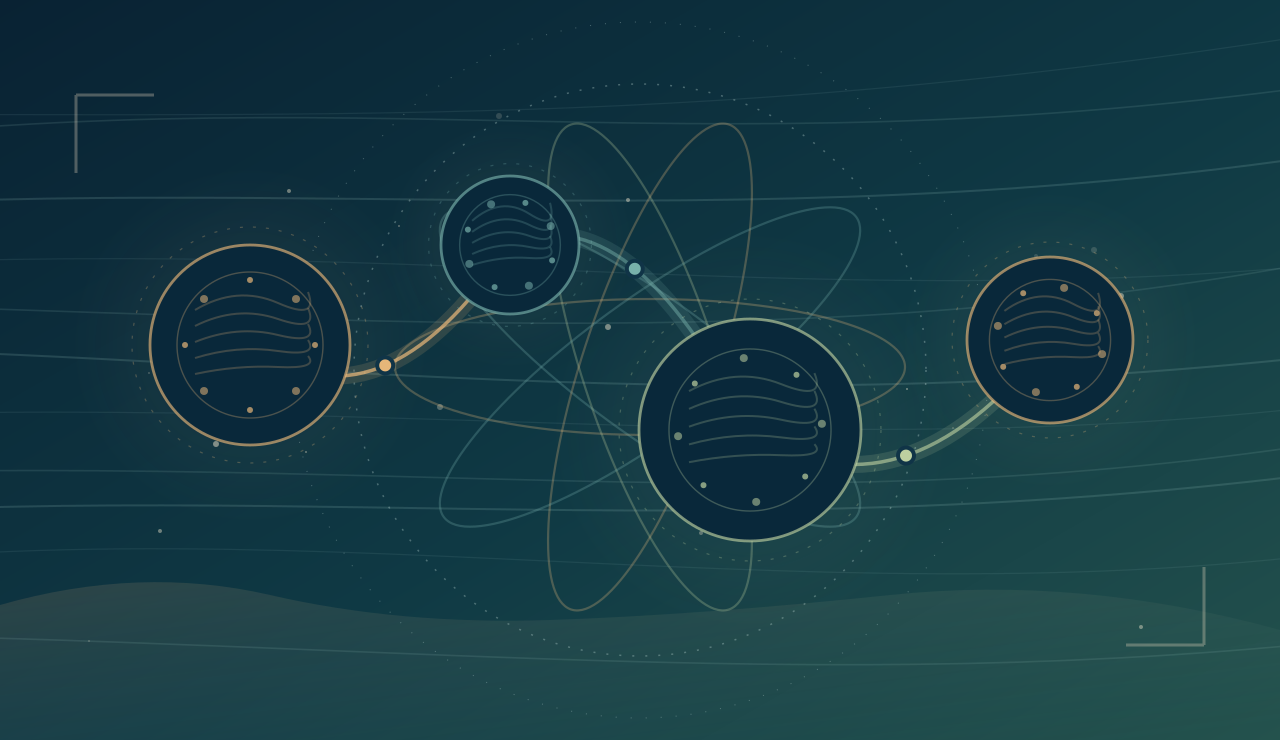
Conceptual visual connecting five fields through overlapping regional systems.
WHY THIS MATTERS

Dialogue · transformation · regional connections

Understanding the region requires connecting its pressures.

A displacement wave reshapes towns and land rights; changes to energy transport alter regional incentives; and fragmented authorities may be unable to protect services that depend on coordination. The pattern matters more than any single sector. These are linked questions of political economy, governance and conflict transformation.

AREAS & OUTPUTS · 04 / 06

Explore the fields

Discover KMT
01 / 05

Conflict & Regional Dynamics

We follow how local violence, regional competition and changing security assumptions interact. An event in one area may alter incentives across the Eastern Mediterranean and beyond.

Our interest includes how a conflict evolves through cycles and when changes in regional relationships may create new openings—or new pressures.

02 / 05

Governance & Fragility

Fragmented authority can weaken service delivery and erode the trust on which institutional legitimacy depends. We examine how formal and informal arrangements shape access, accountability and the ability to coordinate shared responsibilities.

Governance matters not only as an institutional design, but through its consequences for people living with insecurity and fragile public services.

  1. 01Conflict & Regional Dynamics
  2. 02Governance & Fragility
  3. 03Urban Transformation
  4. 04Political Economy & Recovery
  5. 05Mediation & Conflict Transformation
03 / 05

Urban Transformation

Cities make structural change visible: displacement, land and housing rights, informal settlements, infrastructure and livelihoods continually reshape relations between residents, institutions and urban space.

We ask why urban expansion does not always produce equitable urban life, and how changes in governance and resources affect those outcomes.

04 / 05

Political Economy & Recovery

Water, energy, markets and supply chains connect household survival with regional and global systems. Their disruption can spread costs across borders, while poorly aligned incentives can trap resources in cycles of extraction rather than recovery.

We are interested in conditions that support productive accumulation, fairer access and cooperation around shared needs.

05 / 05

Mediation & Conflict Transformation

Dialogue and mediation become meaningful when they engage the relationships and perceptions that sustain conflict. They can help parties recognise overlapping concerns and explore new frames for regional security and coexistence.

Our goal is to connect contextual understanding with practical opportunities to reduce harm and support more peaceful futures.

PEACE THROUGH COOPERATION

From local pressures to regional consequences

Our thematic interests are designed to be read together: relationships across them are often the central question.

Connections across the five fields

A change in one field rarely stays there

The five areas are lenses for reading shared problems, not separate institutional departments. These hypothetical pathways illustrate how a question can move between them.

Water access and public authority

A service interruption can become a governance problem when responsibilities are divided, and an economic problem when households must pay for alternatives.

Governance & Fragility ↔ Political Economy & Recovery

Housing and the social fabric

Displacement and insecure tenure can reshape neighbourhoods, livelihoods and the conditions for constructive engagement among residents and institutions.

Urban Transformation ↔ Mediation & Conflict Transformation

Transport disruption across borders

A blocked route can affect prices, supply reliability and public-service choices far beyond its original location.

Conflict & Regional Dynamics ↔ Political Economy & Recovery

These links are questions for contextual assessment, not evidence that a specific causal chain has been established in every setting.

FOR POTENTIAL PARTNERS

Explore an issue that crosses the boundaries between sectors.

We welcome interdisciplinary questions about stability, livelihoods, cities, resources and peace.

Discuss a question with KMT
KMT Centre · Dialogue, conflict transformation and knowledge for peace.