Dialogue as a pathway, not a single event
Helping parties understand changing conditions and explore the relationships on which a more peaceful future might depend.
← Return to HomeBefore positions, understand the problem
A dialogue process may begin with a visible humanitarian consequence: disrupted water supply, displacement, failing services or insecurity. The work is to understand how that consequence emerges through relationships between authorities, communities, resources and regional actors. Different parties may not share an interpretation of the problem at first; useful dialogue makes the differences legible and gives participants space to test what is changing.
The human dimension of dialogue
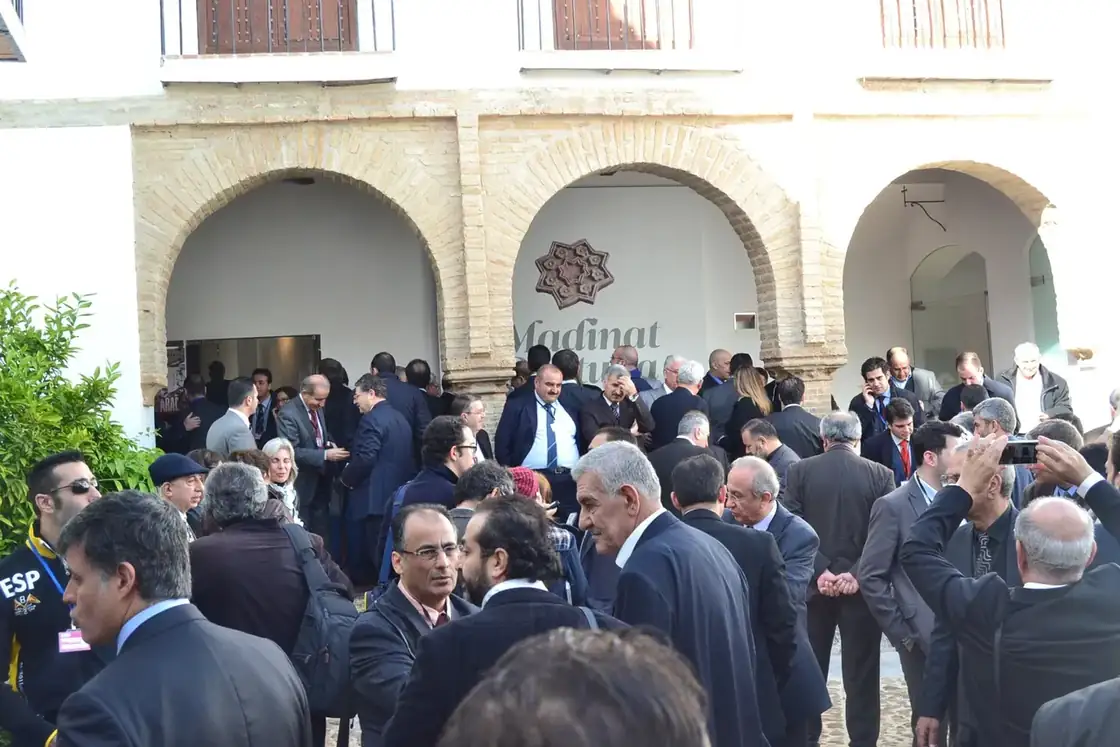
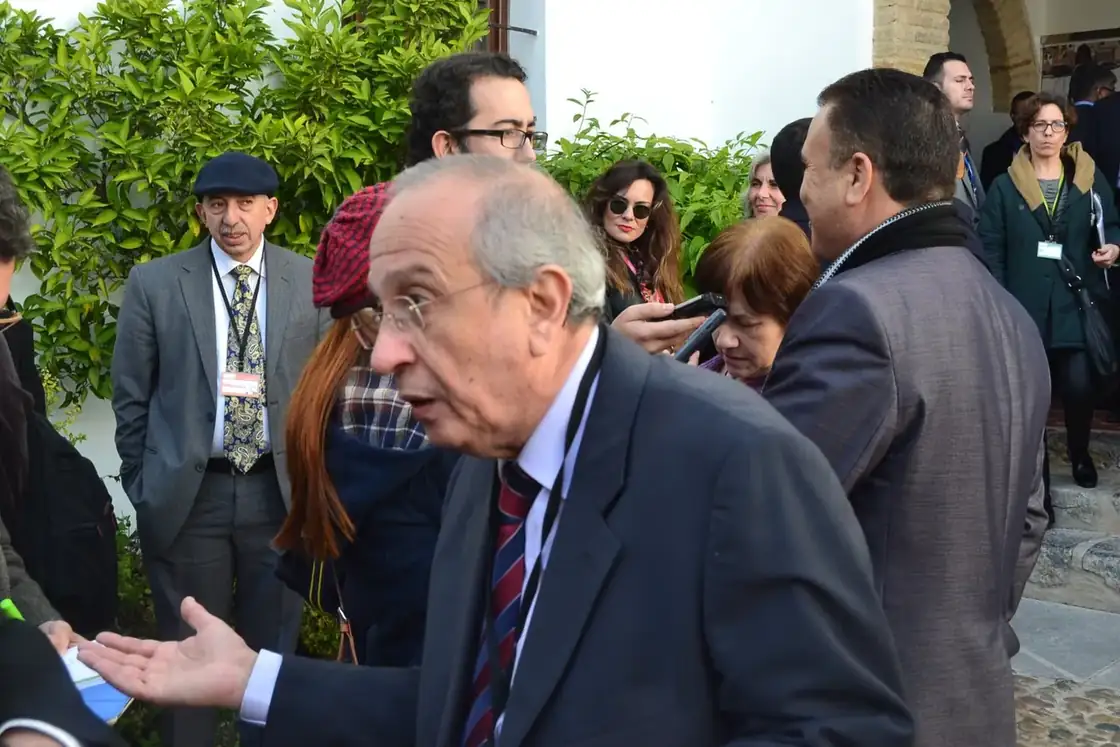
Dialogue is a human encounter, not merely an agenda. In fragile settings it may help people who understand a changing environment differently listen to one another, identify shared questions and recognise where professional experience can contribute to peace.
Change arrives through uneven cycles
Political developments are sometimes labelled pre-conflict, conflict or post-conflict as though they were separate states. In practice, one system can pass through repeated cycles of escalation, temporary stabilisation and further change. An apparently positive moment may remain fragile if the relations that produced conflict persist. The relevant question is whether a development enables relationships to become less destructive and more viable over time.
An opening for mediation
Mediation cannot substitute for resources, governance or regional understandings, but it can help people identify what must be jointly addressed. It is particularly relevant when the previous security rules become barriers to the security of the system itself. Where an opening exists, KMT seeks to help potential participants consider the conditions for a shared process and its possible contribution to peace.
Careful steps, useful knowledge
Dialogue can generate knowledge that makes future choices more informed. It can also help identify the risks of poorly designed interventions and the trade-offs different groups experience. Not every context is ready for a transformative process; sometimes the responsible contribution is clearer analysis, risk anticipation and support for an appropriate humanitarian response.
What makes a dialogue worth pursuing?
A constructive process does not depend on a large public event. It depends on the conditions that make careful exchange possible and on recognition that dialogue is not suitable for every moment.
Participants can identify what needs discussion, even if they disagree about why the problem exists.
The relevant experiences and responsibilities are considered without presenting a small group as a comprehensive consensus.
The process respects confidentiality and does not expose participants or attributed positions without permission.
An outcome may be an improved understanding, further inquiry or a decision that another response is more appropriate.